There is a secret to getting that perfect, bubbly, charred crust you find at your favorite pizzeria, and it doesn’t involve a million-dollar brick oven. It’s all about time. By letting your dough rest in the fridge overnight, you allow the yeast to work its magic slowly. This process, known as cold fermentation, creates a complex flavor and a texture that is both chewy and crisp. Once you try this method, you will never go back to those “quick” dough recipes again. This dough is incredibly forgiving and makes your pizza night feel effortless since the hard work happens while you sleep.
Recipe Information
- Prep Time: 20 minutes
- Cook Time: 10 minutes
- Total Time: 30 minutes (plus 12-24 hours resting time)
- Servings: 4 pizzas (approx. 10-12 inches each)
- Difficulty: Easy
Nutrition values
(Per serving – 1/4 of the dough)
- Calories: 420 kcal
- Protein: 12g
- Carbs: 85g
Why Make This Overnight Pizza Dough
Making pizza dough ahead of time is a game-changer for several reasons. First, the long fermentation period breaks down starches into simpler sugars, resulting in a crust with a deeper, more aromatic flavor. Second, the gluten structure has more time to relax, making the dough much easier to stretch by hand without it snapping back. Finally, it takes the stress out of dinner time. You can prep the dough a day or two in advance and simply pull it out when you are ready to bake. It’s the ultimate hack for restaurant-quality pizza at home.
Ingredients
- 500g Bread Flour or Type 00 Flour (about 4 cups)
- 350ml Warm Water (about 1.5 cups)
- 10g Fine Sea Salt (about 2 teaspoons)
- 3g Active Dry Yeast (about 1 teaspoon)
- 1 tablespoon Extra Virgin Olive Oil
- Optional: 1 teaspoon Honey (helps with browning)
Directions
Step 1: Mixing the Ingredients
In a large mixing bowl, whisk together the flour, salt, and yeast. If you are using honey, dissolve it into the warm water first. Gradually pour the water and olive oil into the dry ingredients. Use a sturdy spoon or your hands to mix until a shaggy dough forms and no dry pockets of flour remain.
Step 2: Kneading the Dough
Turn the dough onto a lightly floured surface. Knead the dough for about 8 to 10 minutes by hand, or 5 minutes in a stand mixer on medium-low speed. The dough should become smooth, elastic, and slightly tacky but not sticky. Perform the “windowpane test” by stretching a small piece of dough; if it stretches thin enough to see light through it without tearing, it is ready.
Step 3: Initial Rise and Shaping
Place the dough in a lightly oiled bowl and cover it with plastic wrap or a damp cloth. Let it sit at room temperature for about 1 hour. After this brief rise, divide the dough into four equal portions. Shape each portion into a smooth ball by tensioning the surface of the dough against the countertop.
Step 4: Cold Fermentation (The Overnight Step)
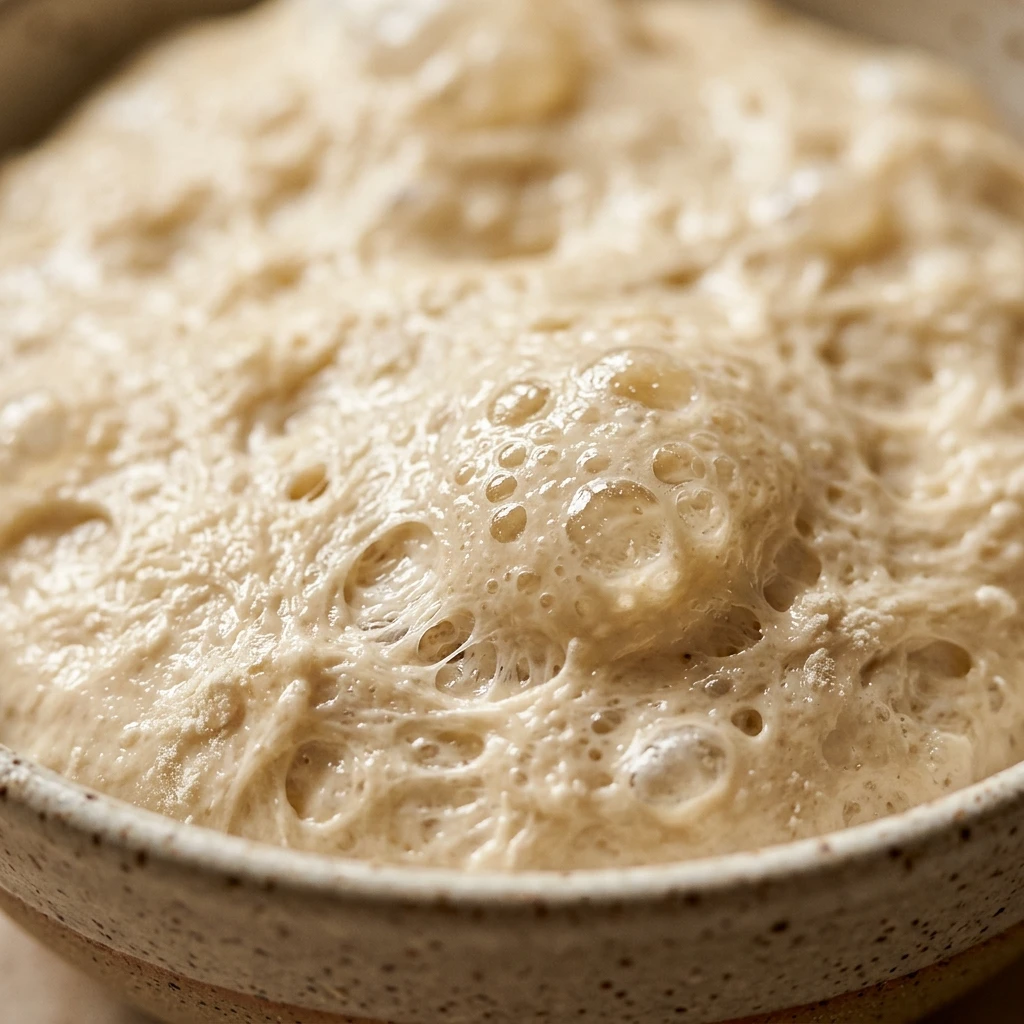
Place each dough ball into individual airtight containers or freezer bags lightly coated with oil. Place them in the refrigerator for at least 12 hours, though 24 to 48 hours is the “sweet spot” for maximum flavor. This slow chill allows the yeast to produce carbon dioxide and organic acids that enhance the crust.
Step 5: Bringing to Room Temperature
On the day you plan to bake, remove the dough from the refrigerator at least 60 to 90 minutes before stretching. It is much easier to work with dough when it is at room temperature. Cold dough tends to be tight and will resist being stretched into a thin circle.
Step 6: Shaping and Baking
Preheat your oven to its highest setting (usually 500°F or 550°F) with a pizza stone or steel inside for at least 45 minutes. Gently stretch the dough on a piece of parchment paper or a floured peel. Add your favorite toppings and slide the pizza onto the hot stone. Bake for 8 to 12 minutes until the edges are golden brown and the cheese is bubbly.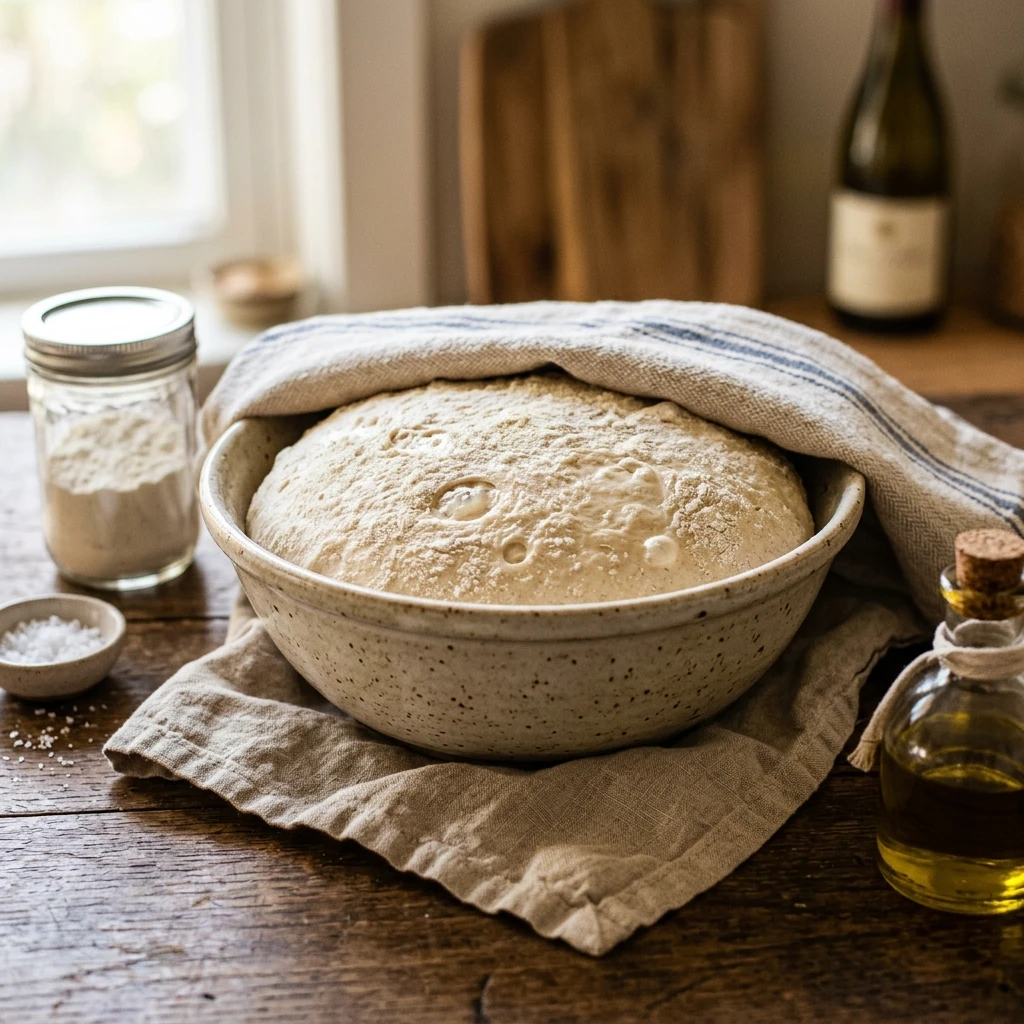
Expert Tips for Perfect Overnight Pizza Dough
To get the best results, always use a digital kitchen scale to measure your ingredients. Flour density can vary wildly by cup, but grams are always precise. Another tip is to avoid over-topping your pizza. Too many wet ingredients can lead to a soggy middle, especially if your oven isn’t at professional temperatures. Lastly, if the dough keeps shrinking back while you stretch it, let it rest for another 10 minutes to allow the gluten to relax further.
Delicious Variations
- Whole Wheat Twist: Replace 150g of the bread flour with whole wheat flour for a nuttier flavor and extra fiber.
- Garlic Herb Crust: Mix 1 teaspoon of garlic powder and 1 tablespoon of dried oregano into the flour before adding water.
- Honey Wheat: Use 2 tablespoons of honey instead of one for a slightly sweeter crust that browns beautifully in home ovens.
- Everything Bagel Crust: Brush the edges of the shaped dough with water and sprinkle with everything bagel seasoning before baking.
Frequently Asked Questions
Can I leave the dough in the fridge for more than 24 hours?
Yes, you can leave the dough in the fridge for up to 72 hours. The flavor will continue to develop and become more sour and complex. After 3 days, however, the yeast may run out of “food” and the dough structure might begin to collapse.
Do I have to use bread flour?
While All-Purpose flour works, bread flour or “00” flour is highly recommended. Bread flour has a higher protein content, which creates more gluten and results in that signature chewy pizza texture. “00” flour is traditional for Neapolitan style and produces a very soft, fine crumb.
Can I freeze this pizza dough?
Absolutely. After the overnight cold ferment, you can place the dough balls in the freezer. When you’re ready to use them, thaw the dough in the refrigerator overnight and then bring it to room temperature for an hour before stretching.
What if my dough doesn’t rise much in the fridge?
Don’t panic! Cold fermentation is not about a massive rise; it’s about flavor development. The dough will expand slightly, but most of the “oven spring” (the big bubbles) will happen once the dough hits the intense heat of your oven.
What is the best way to stretch the dough?
Use your knuckles rather than a rolling pin. A rolling pin squeezes out all the air bubbles you worked so hard to create during the fermentation process. Gently pull the dough from the center outward, letting gravity help you as you rotate it.
Conclusion
This overnight pizza dough is the ultimate way to elevate your home cooking game. With just a little bit of planning and very minimal active work, you can create a crust that rivals the best Italian pizzerias. The slow fermentation process ensures a deep flavor and a perfect texture every single time. Whether you prefer a simple Margherita or a loaded meat-lovers pizza, this dough provides the perfect foundation. Start your dough tonight, and enjoy the best pizza of your life tomorrow!
Overnight Pizza Dough
Ingredients
Method
- In a large mixing bowl, whisk together the flour, salt, and yeast. If using honey, dissolve it into the warm water first. Gradually pour the water and olive oil into the dry ingredients. Mix until a shaggy dough forms.
- Turn the dough onto a floured surface. Knead for about 8 to 10 minutes by hand or 5 minutes in a stand mixer until smooth and elastic. Perform the 'windowpane test' to check readiness.
- Place the dough in an oiled bowl, cover, and let it rest at room temperature for about 1 hour. Divide into four portions and shape each into a smooth ball.
- Place each dough ball in airtight containers or freezer bags lightly coated with oil. Refrigerate for at least 12 hours (24 to 48 hours recommended).
- On the baking day, remove the dough from the refrigerator at least 60 to 90 minutes before stretching to allow it to warm up.
- Preheat the oven to its highest setting with a pizza stone or steel inside for 45 minutes. Stretch the dough and add toppings before baking for 8 to 12 minutes.