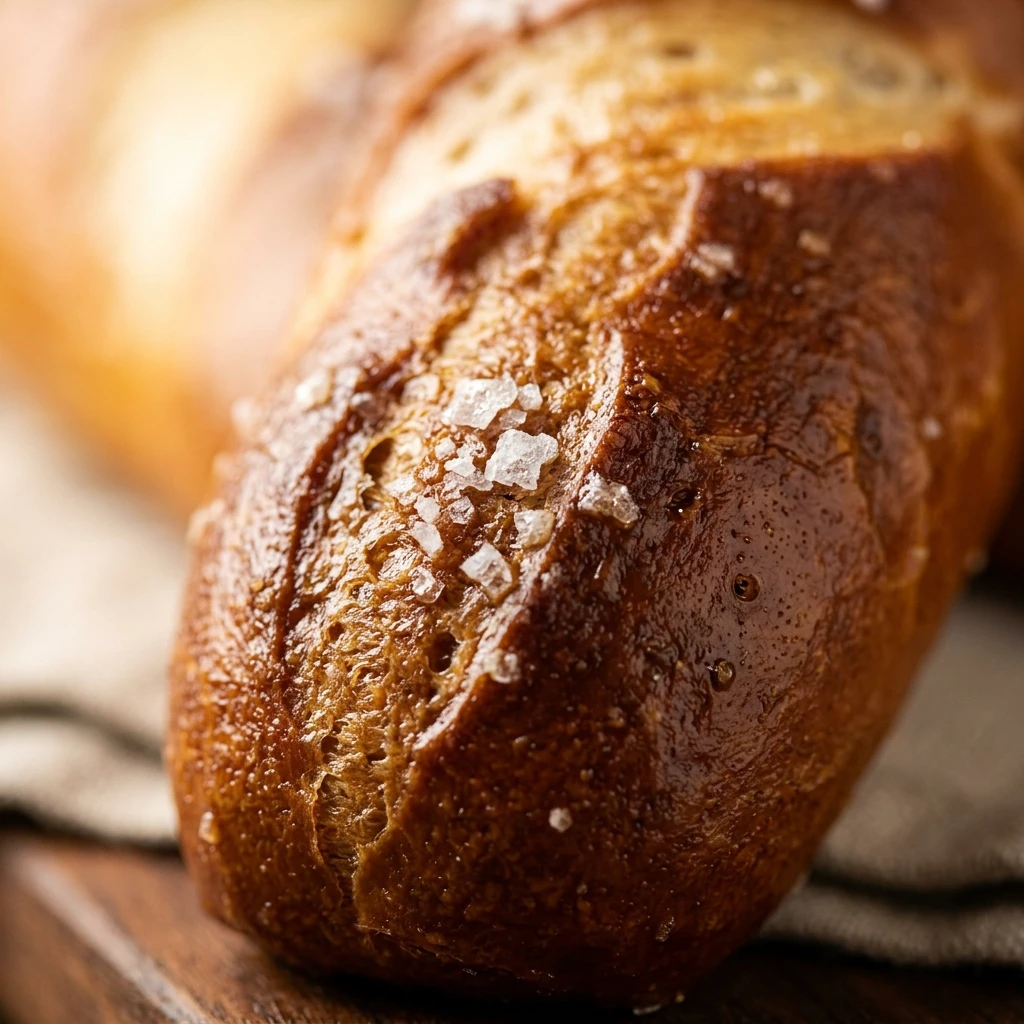
There is nothing quite like the aroma of fresh, warm bread wafting through your kitchen, especially when that scent belongs to authentic Homemade German Pretzel Sticks. Known in Germany as Laugenstangen, these savory treats feature a signature deep-brown, chewy crust and a fluffy, soft center. Whether you are hosting a game day gathering, looking for the perfect vessel for a hearty dip, or simply craving a bakery-quality snack at home, these pretzel sticks deliver a satisfying crunch and salty finish that puts store-bought versions to shame. By using a simple alkaline bath, we achieve that classic pretzel flavor and color without needing professional equipment.
Recipe Information
- Prep Time: 1 hour (includes dough rising)
- Cook Time: 15 minutes
- Total Time: 1 hour 15 minutes
- Servings: 12 pretzel sticks
- Difficulty: Medium
Nutrition Values
- Calories: 185 kcal
- Protein: 5g
- Carbs: 36g
- Fat: 2.5g
- Fiber: 1.5g
Why Make This Homemade German Pretzel Sticks
Making Homemade German Pretzel Sticks at home is a rewarding culinary project that yields far superior results than the frozen aisle. This recipe uses common pantry staples to create a gourmet experience. Unlike standard rolls, the unique boiling process ensures a distinct alkaline tang and a beautiful mahogany sheen. They are incredibly versatile, serving as the perfect side for soups or as a base for delicious sandwiches filled with savory halal beef deli meats. Plus, controlling the ingredients means no preservatives or artificial flavors—just pure, salty goodness.
Ingredients
- Warm Water (1 1/2 cups): Used to activate the yeast. Ensure it is between 105°F and 110°F (40°C – 43°C).
- Active Dry Yeast (1 packet / 2 1/4 tsp): The leavening agent that makes the pretzel sticks light and airy.
- Granulated Sugar (1 tbsp): Feeds the yeast and helps with the browning process.
- Unsalted Butter (2 tbsp, melted): Adds richness and creates a tender crumb.
- Fine Sea Salt (1 1/2 tsp): Essential for flavoring the dough.
- All-Purpose Flour (4 to 4 1/2 cups): Provides the structure. You can also use bread flour for a chewier texture.
- Baking Soda (1/2 cup): Used in the boiling water to create the alkaline bath responsible for the pretzel’s dark crust.
- Coarse Pretzel Salt: For that iconic salty crunch on top.
- Egg Wash (1 egg beaten with 1 tbsp water): Helps the salt stick and adds extra shine.
Directions
Step 1: Activate the Yeast
In the bowl of a stand mixer or a large mixing bowl, combine the warm water and granulated sugar. Sprinkle the active dry yeast over the surface and stir gently. Let the mixture sit for about 5 to 10 minutes until it becomes foamy and fragrant. This indicates the yeast is alive and ready to work.
Step 2: Mix and Knead the Dough
Add the melted butter and sea salt to the yeast mixture. Gradually add the flour, one cup at a time, using a dough hook or a sturdy wooden spoon. Mix until a shaggy dough forms. Knead the dough on a lightly floured surface or in the mixer for 5 to 7 minutes until it is smooth, elastic, and slightly tacky but not sticky. If the dough is too wet, add flour one tablespoon at a time.
Step 3: The First Rise
Lightly oil a clean bowl and place the dough inside, turning it once to coat it with oil. Cover the bowl with a damp cloth or plastic wrap. Place it in a warm, draft-free spot and let it rise for about 45 to 60 minutes, or until it has doubled in size.
Step 4: Shape the Pretzel Sticks
Preheat your oven to 425°F (218°C) and line two large baking sheets with parchment paper. Punch down the risen dough and turn it out onto a flat surface. Divide the dough into 12 equal pieces. Roll each piece into a cylinder or “log” shape about 6 to 7 inches long. Ensure the ends are slightly tapered or blunt, depending on your preference.
Step 5: The Alkaline Bath
Bring a large pot with 8 cups of water to a rolling boil. Slowly add the baking soda (be careful, as it will foam up). Drop 2 to 3 pretzel sticks into the boiling water at a time. Boil for 30 seconds per side. Use a slotted spatula to remove them, allowing excess water to drain, and place them on the prepared baking sheets.
Step 6: Score and Bake
Using a sharp knife or a razor blade, make 3 diagonal slashes across the top of each stick. Brush the tops with the egg wash and sprinkle generously with coarse pretzel salt. Bake in the preheated oven at 425°F (218°C) for 12 to 15 minutes, or until they reach a deep golden brown color. Transfer to a wire rack to cool slightly before serving.
What to Serve with Homemade German Pretzel Sticks
These pretzel sticks are incredibly versatile. For a classic German experience, serve them alongside a bowl of creamy cheddar cheese sauce (ensure it is made with vegetable or beef broth). They also pair beautifully with spicy brown mustard or a sweet honey mustard dip. If you are looking for a full meal, serve them as a side to a hearty beef stew or use them as buns for sliders featuring grilled halal beef patties. For a fresh side, a crisp cucumber salad with dill provides a refreshing contrast to the salty bread.
Expert Tips for Perfect Homemade German Pretzel Sticks
- Water Temperature: Use a thermometer to check your water. If it is too hot, it will kill the yeast; if it is too cold, the yeast won’t activate.
- The Boiling Step: Do not skip the baking soda bath. This is what gives the pretzels their characteristic flavor and dark brown color. Without it, you just have regular bread sticks.
- Scoring: Use a very sharp blade to score the dough. This allows the steam to escape and prevents the sticks from bursting in unwanted places during baking.
- Don’t Overcrowd: Boil only a few sticks at a time so the water temperature doesn’t drop too much and they don’t stick together.
Delicious Variations
- Everything Pretzel Sticks: Instead of just salt, sprinkle the tops with everything bagel seasoning (sesame seeds, poppy seeds, garlic, and onion).
- Cheesy Pretzels: Sprinkle shredded sharp cheddar or parmesan over the sticks during the last 2 minutes of baking.
- Sweet Cinnamon Version: Skip the salt and egg wash before baking. After baking, brush with melted butter and roll in a mixture of cinnamon and sugar.
- Garlic Butter Sticks: Brush the finished hot pretzels with a mixture of melted butter and minced garlic.
Storage and Reheating Instructions
Homemade German Pretzel Sticks are best enjoyed fresh on the day they are made. However, you can store leftovers in an airtight container at room temperature for up to 2 days. For longer storage, freeze them in a freezer-safe bag for up to 2 months.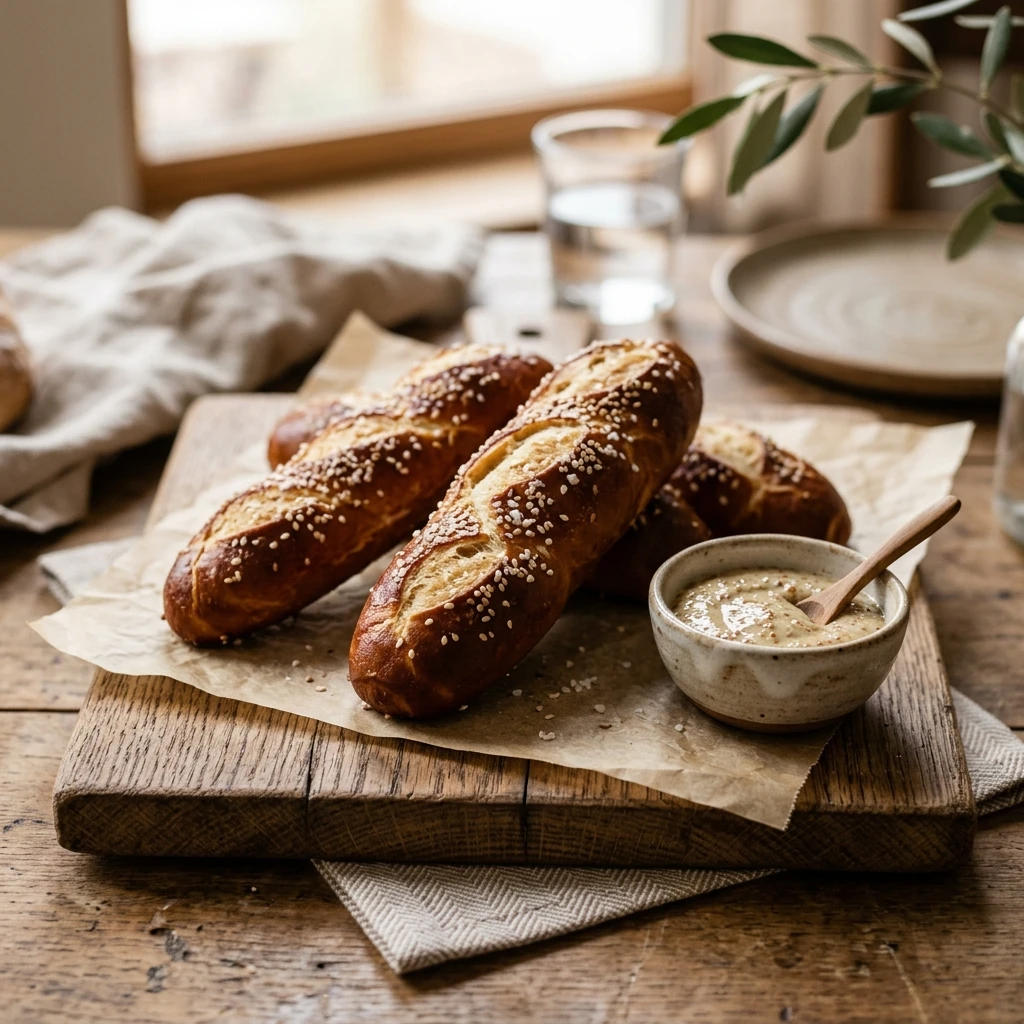
To reheat, place them in a 350°F (175°C) oven for 5 minutes until warmed through. This helps restore the crust’s texture. Avoid microwaving, as this can make the dough tough and rubbery.
Make-Ahead Instructions
You can prepare the dough a day in advance. After the first rise, punch the dough down, cover it tightly, and store it in the refrigerator. When you are ready to bake, let the dough come to room temperature for 30 minutes before shaping, boiling, and baking as directed. You can also shape the sticks and freeze them raw on a baking sheet. Once frozen, transfer to a bag. Boil them directly from frozen (adding 1-2 minutes to the boil time) before baking.
Frequently Asked Questions
Can I use parchment paper or foil?
Always use high-quality parchment paper or a silicone baking mat. Pretzel dough is very sticky after the alkaline bath, and they will likely stick to aluminum foil, even if it is greased.
Why are my pretzels not dark brown?
This usually happens if the baking soda bath wasn’t concentrated enough or if the water wasn’t boiling. Ensure you use a full half-cup of baking soda and boil the dough for the full 30 seconds per side.
Can I substitute the sugar?
Yes, you can use honey or maple syrup as a substitute for granulated sugar to help activate the yeast.
Is there a substitute for baking soda?
In professional bakeries, food-grade lye is used. However, baking soda is the safest and most accessible household alternative for home cooks to achieve a similar result.
Can I make these vegan?
Yes! Simply replace the butter with a neutral oil like avocado oil or a vegan butter substitute, and use a “flax egg” or just a light brushing of water instead of the egg wash.
Common Mistakes to Avoid
- Using Cold Ingredients: Ensure your butter is melted but not hot, and your water is the correct temperature to keep the yeast active.
- Too Much Flour: Adding too much flour results in a dense, heavy pretzel. The dough should be soft and slightly elastic.
- Short Boiling Time: If you don’t boil them long enough, they won’t develop that chewy “pretzel” skin.
- Ignoring the Rise: If you don’t let the dough double in size, your pretzel sticks will be hard and flat rather than soft and fluffy.
Conclusion
Mastering Homemade German Pretzel Sticks is a fantastic way to bring the flavors of a traditional European bakery into your own home. With their striking golden-brown color and irresistible salty crunch, they are guaranteed to be a hit at any table. Whether you enjoy them plain, dipped in a rich sauce, or paired with your favorite halal beef dishes, these pretzel sticks offer a comforting and delicious snack experience. Give this recipe a try today and share the warmth of freshly baked bread with your friends and family! If you loved this bake, be sure to explore our other bread recipes for more kitchen inspiration.
Homemade German Pretzel Sticks
- Cook Time: 1 hour 15 minutes
- Total Time: 1 hour 15 minutes
- Diet: Vegetarian
Ingredients
- 1 1/2 cups Warm Water
- 1 packet / 2 1/4 tsp Active Dry Yeast
- 1 tbsp Granulated Sugar
- 2 tbsp Unsalted Butter, melted
- 1 1/2 tsp Fine Sea Salt
- 4 to 4 1/2 cups All-Purpose Flour
- 1/2 cup Baking Soda
- Coarse Pretzel Salt
- Egg Wash (1 egg beaten with 1 tbsp water)
Instructions
- In the bowl of a stand mixer or a large mixing bowl, combine the warm water and granulated sugar. Sprinkle the active dry yeast over the surface and stir gently. Let the mixture sit for about 5 to 10 minutes until it becomes foamy and fragrant.
- Add the melted butter and sea salt to the yeast mixture. Gradually add the flour, one cup at a time, using a dough hook or a sturdy wooden spoon. Mix until a shaggy dough forms. Knead the dough on a lightly floured surface or in the mixer for 5 to 7 minutes until it is smooth, elastic, and slightly tacky but not sticky. If the dough is too wet, add flour one tablespoon at a time.
- Lightly oil a clean bowl and place the dough inside, turning it once to coat it with oil. Cover the bowl with a damp cloth or plastic wrap. Place it in a warm, draft-free spot and let it rise for about 45 to 60 minutes, or until it has doubled in size.
- Preheat your oven to 425°F (218°C) and line two large baking sheets with parchment paper. Punch down the risen dough and turn it out onto a flat surface. Divide the dough into 12 equal pieces. Roll each piece into a cylinder or “log” shape about 6 to 7 inches long. Ensure the ends are slightly tapered or blunt, depending on your preference.
- Bring a large pot with 8 cups of water to a rolling boil. Slowly add the baking soda (be careful, as it will foam up). Drop 2 to 3 pretzel sticks into the boiling water at a time. Boil for 30 seconds per side. Use a slotted spatula to remove them, allowing excess water to drain, and place them on the prepared baking sheets.
- Using a sharp knife or a razor blade, make 3 diagonal slashes across the top of each stick. Brush the tops with the egg wash and sprinkle generously with coarse pretzel salt. Bake in the preheated oven at 425°F (218°C) for 12 to 15 minutes, or until they reach a deep golden brown color. Transfer to a wire rack to cool slightly before serving.