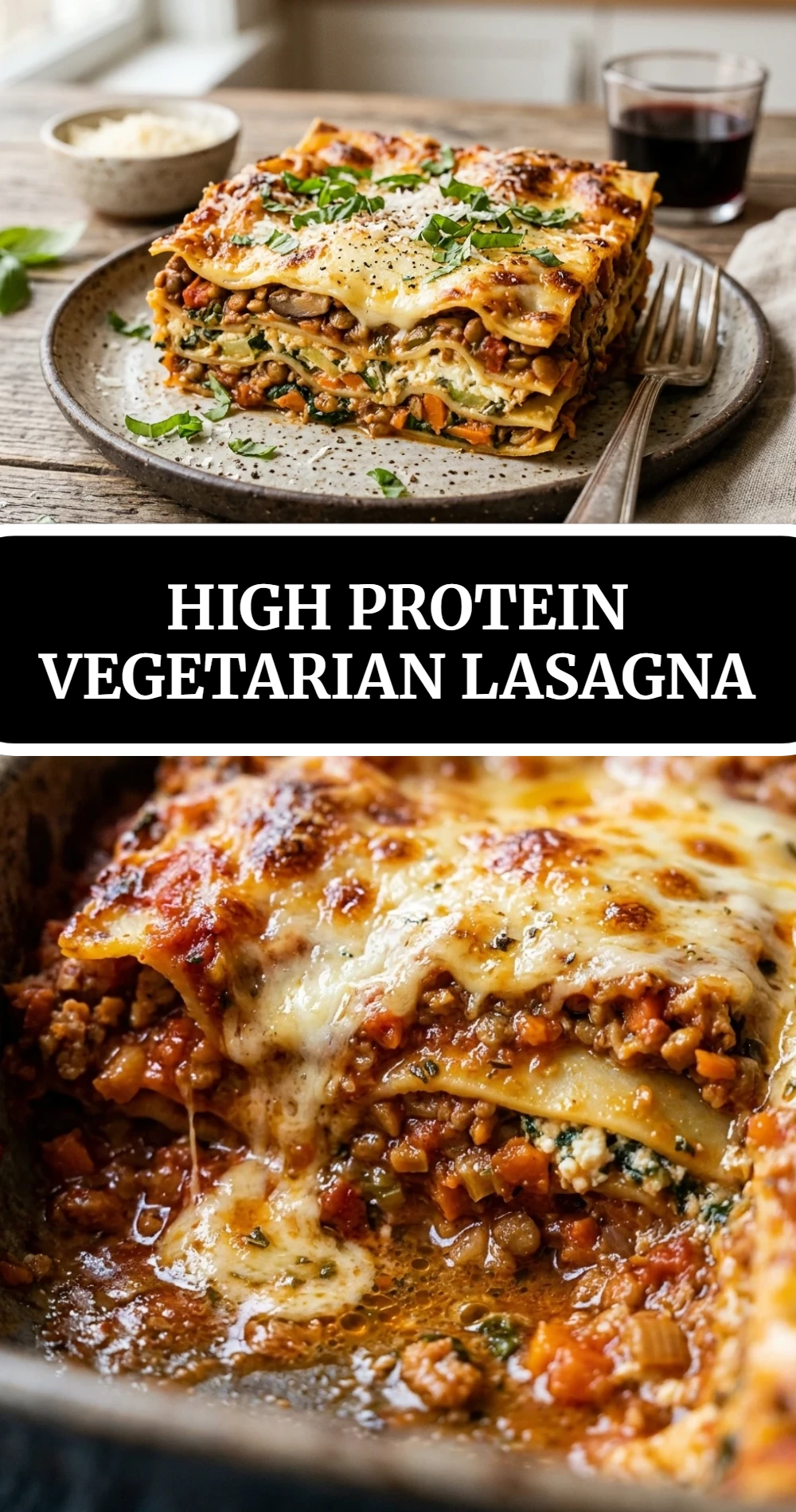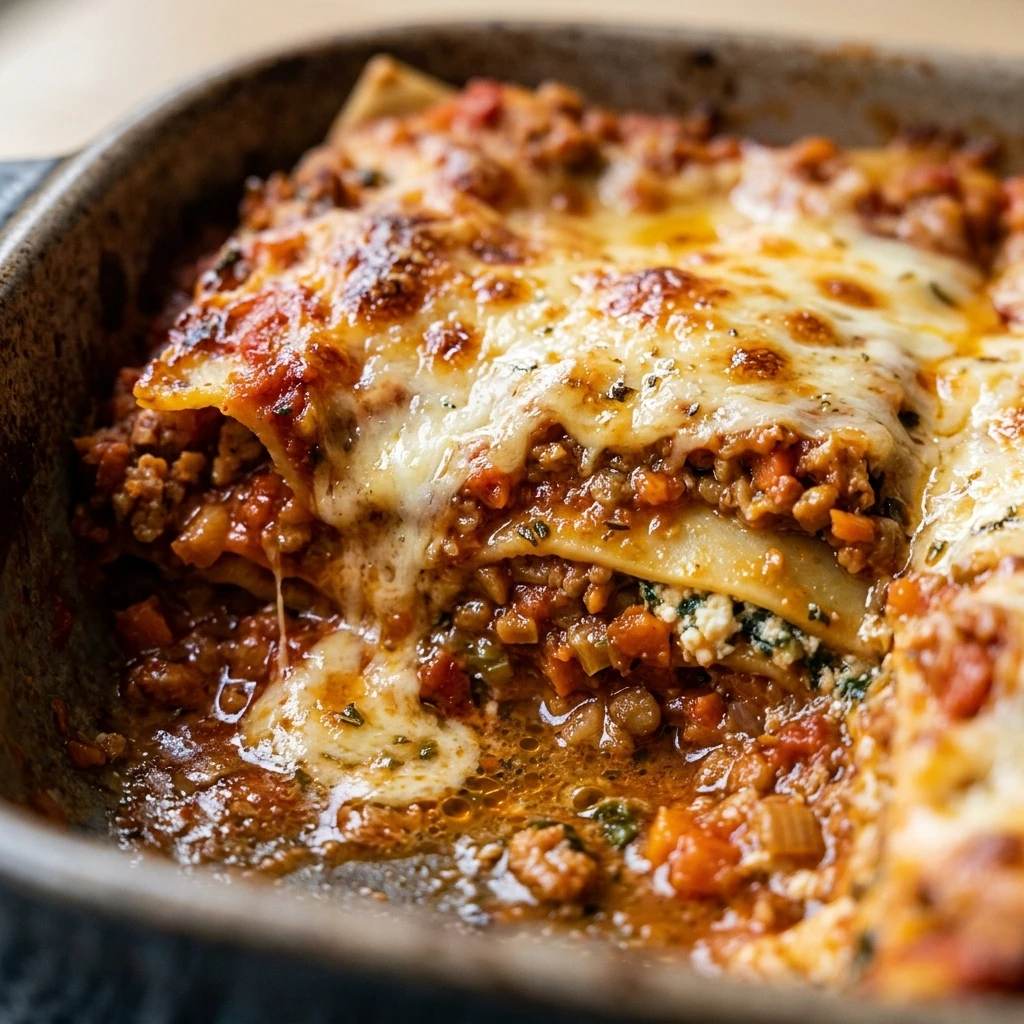
Finding a satisfying meatless meal that actually keeps you full can be a challenge, but this high protein vegetarian lasagna changes the game. Unlike traditional versions that rely heavily on refined carbs and fats, this recipe utilizes clever swaps to pack a massive protein punch without sacrificing that classic comfort food flavor. By incorporating nutrient-dense ingredients like cottage cheese, Greek yogurt, and legumes, you can enjoy a hearty slice of lasagna that fuels your muscles and satisfies your cravings. Whether you are a dedicated vegetarian or just looking to reduce your meat intake, this lasagna is a guaranteed crowd-pleaser for the whole family.
Recipe Information
- Prep Time: 25 minutes
- Cook Time: 45 minutes
- Total Time: 1 hour 10 minutes
- Servings: 8 servings
- Difficulty: Medium
Nutrition Values
- Calories: 365 kcal
- Protein: 32g
- Carbs: 38g
- Fat: 12g
- Fiber: 7g
Why Make This High Protein Vegetarian Lasagna
Most traditional lasagna recipes are low in protein and high in empty calories. This high protein vegetarian lasagna is designed to be a complete meal. By using a blend of cottage cheese and Greek yogurt instead of just ricotta, we significantly boost the protein content while creating a creamy, velvety texture. We also add red lentils and mashed chickpeas to the marinara sauce, providing a “meaty” texture and extra fiber. It is a fantastic meal prep option, a perfect post-workout dinner, and a great way to sneak more vegetables and legumes into your diet without anyone noticing the difference.
Ingredients
- 9 to 12 Lasagna Noodles: Use whole wheat or protein-enriched noodles for extra nutrition. No-boil noodles also work well.
- 24 oz Marinara Sauce: Look for a high-quality sauce with no added sugar.
- 1 cup Red Lentils (Dry): Cooked until tender to add a ground-meat-like texture and plant-based protein.
- 15 oz Can Chickpeas: Drained and roughly mashed to enhance the bulk of the sauce.
- 16 oz Low-Fat Cottage Cheese: The secret ingredient for a massive protein boost.
- 1/2 cup Plain Greek Yogurt: Adds tanginess and even more protein to the cheese layer.
- 1 Large Egg: Helps bind the cheese mixture together so it doesn’t run.
- 10 oz Frozen Spinach: Thawed and squeezed very dry to add vitamins and minerals.
- 2 cups Shredded Mozzarella Cheese: Use part-skim mozzarella for a lighter option.
- 1/2 cup Grated Parmesan Cheese: Provides a salty, nutty finish.
- 2 cloves Garlic: Minced for aromatic depth.
- 1 tsp Dried Oregano and 1 tsp Dried Basil: To season the cheese filling.
- Salt and Black Pepper: To taste.
Directions
Step 1: Prepare the Protein-Packed Sauce
In a medium saucepan, combine your favorite marinara sauce with the cooked red lentils and mashed chickpeas. Simmer over low heat for about 10 minutes to allow the flavors to meld. This mixture creates a thick, hearty consistency that mimics traditional meat sauce. If the sauce feels too thick, add a splash of vegetable broth or water to loosen it up. Season with a pinch of salt and pepper if needed.
Step 2: Mix the High-Protein Filling
In a large mixing bowl, combine the cottage cheese, Greek yogurt, egg, minced garlic, dried oregano, and dried basil. Stir in the squeezed-dry spinach and half of the parmesan cheese. If you prefer a smoother texture, you can pulse the cottage cheese in a blender before mixing, but the small curds usually melt into the lasagna perfectly during baking. Season the mixture with black pepper.
Step 3: Preheat and Prepare the Pan
Preheat your oven to 375°F (190°C). Lightly grease a 9×13 inch (23×33 cm) baking dish with a small amount of olive oil or non-stick spray. Spread about 1/2 cup of the enriched marinara sauce on the bottom of the dish to prevent the noodles from sticking.
Step 4: Layer the Lasagna
Place a layer of lasagna noodles over the sauce. Spread about one-third of the cottage cheese mixture evenly over the noodles. Follow this with a layer of the marinara-lentil sauce and a sprinkle of mozzarella cheese. Repeat the layers—noodles, cheese mixture, sauce, and mozzarella—until all ingredients are used, ending with a generous layer of mozzarella and the remaining parmesan on top.
Step 5: Bake to Perfection
Cover the baking dish tightly with aluminum foil. Bake in the preheated oven at 375°F (190°C) for 25 minutes. After 25 minutes, remove the foil and bake for another 15 to 20 minutes, or until the cheese is bubbling and golden brown on top. You can turn on the broiler for the last 2 minutes if you prefer a crispier cheese crust.
Step 6: Rest and Serve
Once removed from the oven, let the lasagna rest for at least 10 to 15 minutes before slicing. This resting period is crucial; it allows the layers to set so the lasagna doesn’t fall apart when you serve it. Garnish with fresh basil or parsley if desired.
What to Serve with High Protein Vegetarian Lasagna
This lasagna is quite filling on its own, but it pairs beautifully with light, fresh sides. A simple arugula salad with a lemon-tahini dressing provides a sharp contrast to the rich cheese. For a classic Italian feel, serve with garlic bread made with olive oil and fresh herbs. Steamed broccoli or roasted zucchini seasoned with red pepper flakes also make excellent accompaniments. For a drink, try a sparkling water with a splash of pomegranate juice or a crisp apple cider vinegar tonic.
Expert Tips for Perfect High Protein Vegetarian Lasagna
- Dry the Spinach: The most common mistake is leaving moisture in the spinach. Squeeze it using a clean kitchen towel or a fine-mesh sieve until no more water comes out. This prevents a watery lasagna.
- Cottage Cheese Texture: If you find the texture of cottage cheese off-putting, simply blend it with the Greek yogurt and egg in a food processor until smooth before adding the spinach.
- Noodle Tips: If using no-boil noodles, ensure they are completely covered by sauce. If they are exposed to air, they will remain hard and crunchy.
- Boost the Flavor: Add a tablespoon of balsamic vinegar to your marinara sauce. It adds a depth of flavor and acidity that mimics the complexity of a slow-simmered meat sauce.
Delicious Variations
- Spicy Veggie Kick: Add sautéed bell peppers, onions, and a teaspoon of crushed red pepper flakes to the marinara sauce.
- Mushroom “Meat” Lasagna: Finely chop 8 oz of cremini mushrooms and sauté them until brown, then add them to the sauce for an even more savory, umami-rich experience.
- Gluten-Free Option: Simply swap the traditional noodles for gluten-free lasagna sheets or use thinly sliced zucchini or eggplant as “noodles.”
- Extra Greens: Stir in some chopped kale or Swiss chard along with the spinach for a wider variety of leafy greens.
Storage and Reheating Instructions
Store any leftover lasagna in an airtight container in the refrigerator for up to 4 to 5 days. For longer storage, you can freeze individual slices. Wrap each slice tightly in plastic wrap and then aluminum foil, or place them in a freezer-safe container for up to 3 months.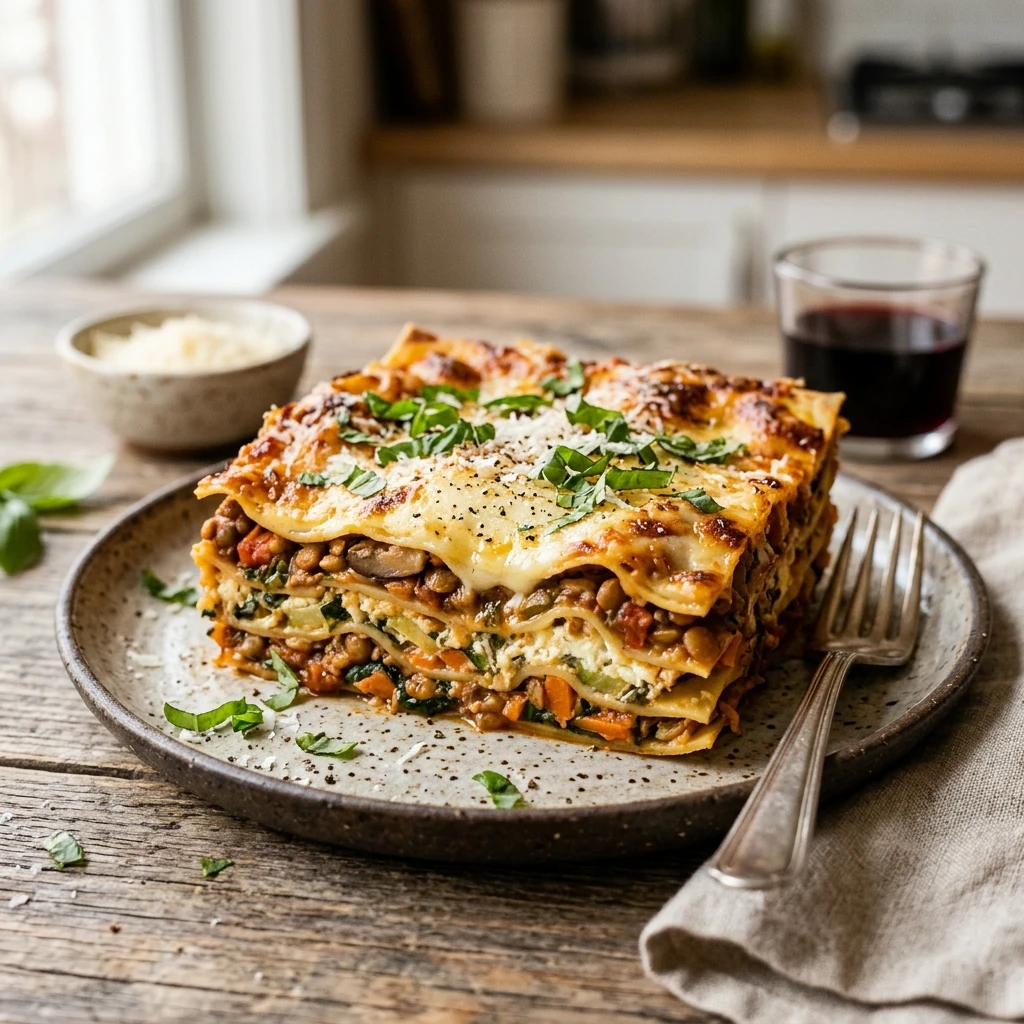
To reheat, the oven is the best method to maintain texture. Place a slice in an oven-safe dish, cover with foil, and bake at 350°F (175°C) for 15-20 minutes. If using a microwave, heat in 1-minute intervals, covering the dish to prevent the cheese from drying out.
Make-Ahead Instructions
You can assemble the entire lasagna a day in advance. Cover it tightly with plastic wrap and store it in the refrigerator. When you are ready to eat, remove the plastic wrap, cover with foil, and bake as directed, adding about 10 minutes to the covered baking time since the dish is cold. You can also freeze the unbaked lasagna; just ensure it is wrapped very securely to prevent freezer burn and thaw it in the fridge overnight before baking.
Frequently Asked Questions
Can I use ricotta instead of cottage cheese?
Yes, you can use ricotta, but cottage cheese is recommended for this specific recipe because it contains more protein and less fat. If you use ricotta, the protein count per serving will decrease slightly.
Do I have to cook the red lentils first?
Yes, red lentils should be pre-cooked until tender before adding them to the sauce. They absorb a lot of liquid, and if added dry, they may leave your lasagna dry or remain crunchy.
Is this recipe suitable for meal prep?
Absolutely. This lasagna tastes even better the next day as the flavors have more time to develop. It reheats very well without losing its structure.
How can I make this vegan?
To make a high-protein vegan version, use a firm tofu crumble mixed with nutritional yeast and lemon juice instead of cottage cheese, use vegan mozzarella, and ensure your noodles are egg-free.
What if my lasagna is too watery?
This usually happens if the spinach wasn’t dried enough or if the sauce was too thin. To fix this, let the lasagna rest for at least 15 minutes after baking so the excess liquid can be absorbed by the noodles.
Common Mistakes to Avoid
- Not Resting the Lasagna: Cutting into the lasagna immediately after taking it out of the oven will result in the layers sliding apart. Patience is key for a perfect slice.
- Using Too Much Sauce: While you want the noodles covered, drowning them in sauce can make the lasagna soggy. Follow the measurements for the best balance.
- Overcooking the Noodles: If you pre-boil your noodles, cook them to “al dente” (slightly firm). They will finish cooking in the oven. If they are too soft to start with, they will become mushy.
- Skipping the Egg: The egg acts as a binder for the cottage cheese and Greek yogurt. Without it, the filling will be very loose and may leak out when sliced.
Conclusion
This high protein vegetarian lasagna is a brilliant way to enjoy a classic favorite while maintaining a healthy, protein-rich diet. By using simple, wholesome ingredients found at any grocery store, you can create a meal that is both nutritious and incredibly comforting. It is the perfect recipe for a Sunday dinner or a busy weeknight meal prep session. We hope you and your family enjoy this flavorful, meatless masterpiece! Be sure to explore more of our healthy and delicious recipes on the RecipesLucy blog for more mealtime inspiration.