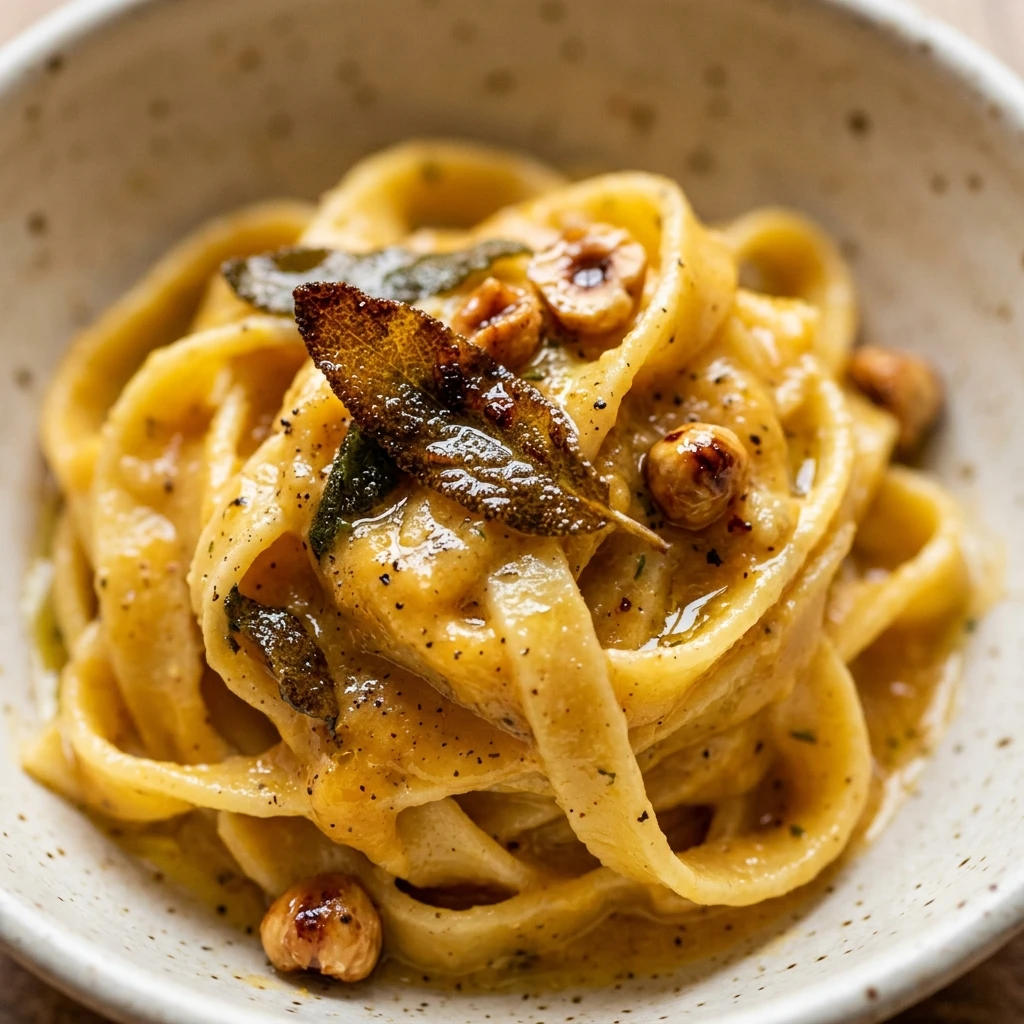
This butternut squash pasta is the ultimate comfort food for a cozy evening. Imagine a silky, golden sauce that coats every piece of pasta with a sweet and savory flavor. It smells like roasted vegetables and fresh herbs, filling your kitchen with a warm, inviting aroma. The texture is incredibly creamy, yet it contains plenty of healthy vitamins from the fresh squash. Whether you are cooking for your family or a special guest, this dish looks like a masterpiece on the plate but stays simple enough for a weeknight dinner.
Why Make This butternut squash pasta
You should make this dish because it is both healthy and indulgent at the same time. Butternut squash is full of fiber and vitamins, giving the sauce a rich body without needing too much heavy butter. It is a great way to get kids or picky eaters to enjoy more vegetables since the sauce is so smooth and sweet. The recipe is also very flexible; you can keep it simple or add different toppings to suit your mood. Plus, the vibrant orange color makes any dining table look beautiful and festive.
How to Make butternut squash pasta
Making this dish involves three main steps: roasting, blending, and tossing. First, you roast the butternut squash in the oven until it becomes soft and caramelized. This step is important because roasting brings out the natural sugars in the vegetable. While the squash roasts, you boil your favorite pasta until it is tender. Next, you blend the cooked squash with aromatics like garlic and onions along with some broth to create a smooth sauce. Finally, you mix the pasta and sauce together, adding a little pasta water to make everything stick perfectly. The result is a professional-quality meal made right in your own kitchen.
Ingredients:
- 1 medium butternut squash (about 2 pounds), peeled and cubed
- 1 pound of dried pasta (penne, rigatoni, or fusilli work great)
- 3 tablespoons olive oil
- 1 medium yellow onion, finely diced
- 4 cloves of garlic, minced
- 1.5 cups vegetable broth
- 1/2 cup heavy cream (or coconut milk for a dairy-free option)
- 1/2 teaspoon ground nutmeg
- Salt and black pepper to taste
- 1/2 cup grated parmesan cheese (ensure it is a halal-certified brand)
- Fresh sage leaves or parsley for garnish
- Optional: 1/2 cup cooked beef strips for extra protein
Directions:
1. Preheat your oven to 400°F (200°C). Toss the cubed butternut squash with 2 tablespoons of olive oil, salt, and pepper on a large baking sheet. Spread them in a single layer.
2. Roast the squash for 25 to 30 minutes, or until it is fork-tender and slightly browned on the edges.
3. While the squash roasts, bring a large pot of salted water to a boil. Cook the pasta according to the package instructions until it is al dente. Reserve 1 cup of the pasta water before draining the rest.
4. In a large skillet or pan, heat the remaining 1 tablespoon of olive oil over medium heat. Add the diced onion and cook for 5 minutes until soft. Add the minced garlic and cook for another 1 minute until fragrant.
5. Place the roasted squash, sautéed onion, garlic, and vegetable broth into a blender. Blend until the mixture is completely smooth.
6. Pour the squash puree back into the skillet over low heat. Stir in the heavy cream and ground nutmeg. Season with more salt and pepper if needed.
7. Add the cooked pasta to the sauce. If the sauce is too thick, pour in small amounts of the reserved pasta water until you reach your desired consistency.
8. Stir in the parmesan cheese and let it melt into the sauce.
9. Serve immediately in warm bowls. Garnish with fresh sage leaves or parsley and optional beef strips for a hearty finish.
Nutritional Information
This nutritional information is based on one serving (assuming the recipe makes 4 to 6 servings):
- Calories: 420 kcal
- Total Fat: 14g
- Saturated Fat: 6g
- Cholesterol: 25mg
- Sodium: 450mg
- Total Carbohydrates: 62g
- Dietary Fiber: 5g
- Sugars: 6g
- Protein: 12g
- Vitamin A: 280% DV
- Vitamin C: 35% DV
How to Serve butternut squash pasta
This pasta is a star on its own, but you can elevate the meal with the right sides. Serve it alongside a crisp green salad with a light lemon vinaigrette to cut through the richness of the sauce. Warm, crusty garlic bread is perfect for scooping up any extra sauce left on the plate. For a more formal dinner, serve the pasta in wide bowls and top with a few toasted walnuts or pumpkin seeds for a crunchy texture. It also pairs wonderfully with roasted vegetables like broccoli or asparagus on the side.
How to Store butternut squash pasta
You can store any leftovers in an airtight container in the refrigerator for up to 3 to 4 days. When you are ready to eat it again, the sauce may have thickened quite a bit. To reheat, place the pasta in a pan over low heat and add a splash of water, milk, or broth. Stir gently as it warms up to bring the sauce back to its creamy state. If you want to freeze the sauce, do so before mixing it with the pasta. The blended squash sauce can stay fresh in the freezer for up to 3 months.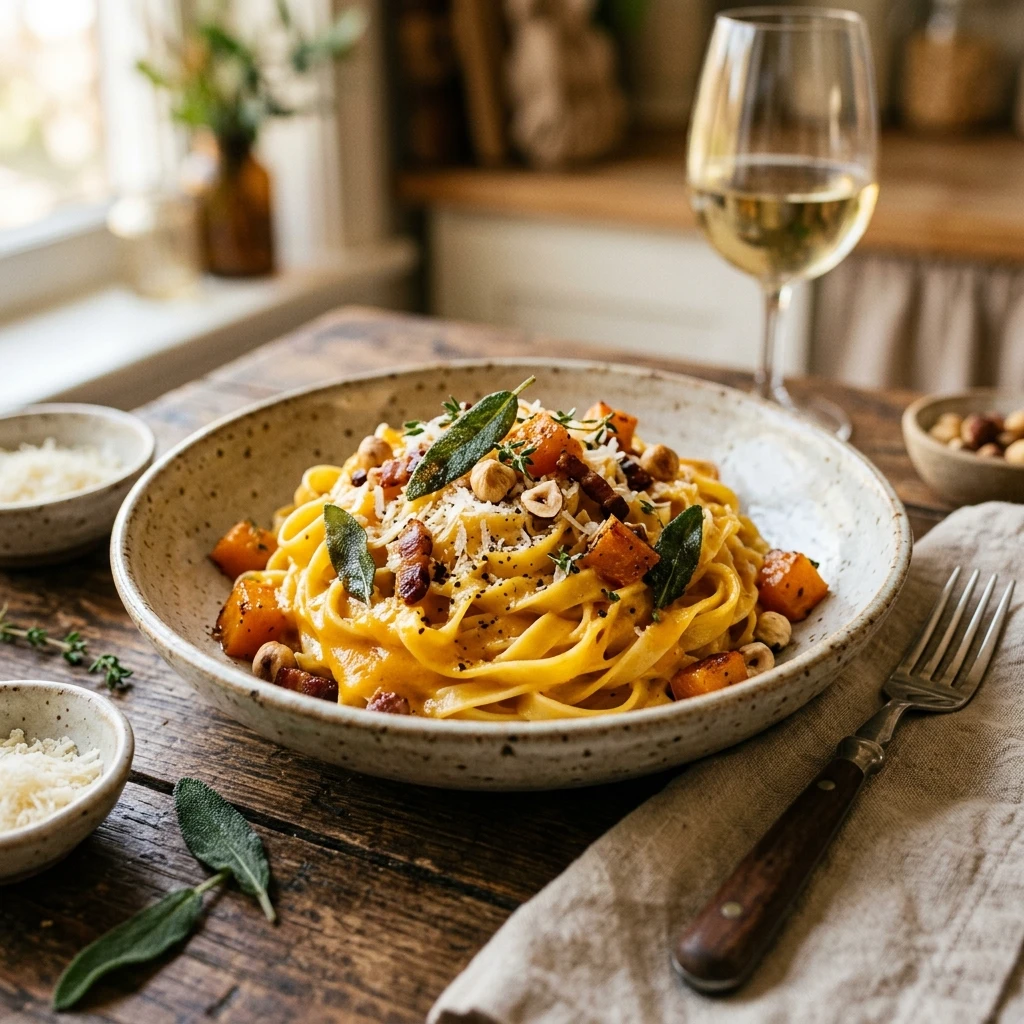
Expert Tips for Perfect butternut squash pasta
To get the best results, always reserve some pasta water. This “liquid gold” contains starch that helps the sauce cling to the noodles. Another tip is to roast the squash instead of boiling it; roasting concentrates the flavor and adds a smoky sweetness that boiling cannot match. Make sure to peel the squash thoroughly, as the skin can be tough and will ruin the smoothness of your sauce. If you want a deeper flavor, let the onions brown slightly (caramelize) before blending them into the mixture. Lastly, use a high-powered blender to ensure there are no lumps in your sauce.
Delicious Variations
If you want to try something new, consider these variations. For a spicy kick, add a half-teaspoon of red pepper flakes to the onions while they cook. For a vegan version, swap the heavy cream for full-fat canned coconut milk and use nutritional yeast instead of parmesan cheese. You can also add protein by stirring in some pan-seared beef sausages or grilled chicken strips. If you don’t have butternut squash, you can use roasted pumpkin or sweet potatoes for a similar flavor profile. Adding a handful of fresh spinach at the very end adds a pop of color and extra nutrients.
Frequently Asked Questions
1. Can I use frozen butternut squash?
Yes, you can use frozen cubed squash. Roast it directly from frozen, though it may take a few extra minutes to get brown and tender.
2. What is the best pasta shape for this sauce?
Short shapes with ridges, like rigatoni or penne, are best because they hold onto the thick sauce very well.
3. How do I make the sauce thinner?
Simply add more vegetable broth or pasta water one tablespoon at a time until it reaches the thickness you like.
4. Can I make this sauce ahead of time?
Absolutely! You can make the sauce up to two days in advance and keep it in the fridge. Just heat it up while you boil fresh pasta.
5. Is butternut squash healthy?
Yes, it is very healthy! It is high in Vitamin A, Vitamin C, and potassium, making it great for your immune system.
6. Can I use a food processor instead of a blender?
You can, but a blender usually creates a much smoother and silkier sauce than a food processor.
7. My sauce is a bit bland, what should I do?
Try adding a little more salt, a squeeze of lemon juice, or an extra pinch of nutmeg to brighten the flavors.
8. Do I have to peel the squash?
Yes, the skin of a butternut squash is very tough and does not blend well. Use a sharp vegetable peeler to remove it.
9. Can I use dried sage instead of fresh?
Yes, but use it sparingly. Use about 1/3 of the amount of dried sage compared to fresh, as the dried version is much stronger.
10. Is this recipe halal?
Yes, this recipe uses only halal-friendly ingredients. Always check that your cheese and broth are certified according to your dietary needs.
Conclusion
Butternut squash pasta is a wonderful meal that brings warmth and nutrition to your table. Its creamy texture and sweet, earthy flavor make it a favorite for both adults and children. By following this simple roasting and blending method, you can create a dish that feels like it came from a high-end restaurant. It is versatile, easy to store, and perfect for the cooler months. We encourage you to try this recipe tonight and share it with your loved ones! If you enjoyed this meal, please leave a comment below or share your photos with us—we love to see your kitchen creations!
Butternut Squash Pasta
Ingredients
Method
- Preheat your oven to 400°F (200°C). Toss the cubed butternut squash with 2 tablespoons of olive oil, salt, and pepper on a large baking sheet. Spread them in a single layer.
- Roast the squash for 25 to 30 minutes, or until it is fork-tender and slightly browned on the edges.
- While the squash roasts, bring a large pot of salted water to a boil. Cook the pasta according to the package instructions until it is al dente. Reserve 1 cup of the pasta water before draining the rest.
- In a large skillet or pan, heat the remaining 1 tablespoon of olive oil over medium heat. Add the diced onion and cook for 5 minutes until soft. Add the minced garlic and cook for another 1 minute until fragrant.
- Place the roasted squash, sautéed onion, garlic, and vegetable broth into a blender. Blend until the mixture is completely smooth.
- Pour the squash puree back into the skillet over low heat. Stir in the heavy cream and ground nutmeg. Season with more salt and pepper if needed.
- Add the cooked pasta to the sauce. If the sauce is too thick, pour in small amounts of the reserved pasta water until you reach your desired consistency.
- Stir in the parmesan cheese and let it melt into the sauce.
- Serve immediately in warm bowls. Garnish with fresh sage leaves or parsley and optional beef strips for a hearty finish.