Black-eyed peas are not just a delicious addition to your meal; they’re also packed with nutrients and have a rich cultural significance in many cuisines. These versatile legumes can be enjoyed in various dishes, offering a creamy texture and earthy flavor that complements countless recipes. Whether you’re preparing them for a celebratory New Year’s meal or adding them to a comforting weeknight dinner, black-eyed peas are always a fantastic choice.
Why Make This Black Eyed Peas
There are numerous reasons to make black-eyed peas. First and foremost, they are incredibly nutritious, offering a great source of protein, fiber, and essential vitamins. They’re particularly popular in Southern cuisine, where they’re often associated with good luck when eaten on New Year’s Day. Plus, they are easy to prepare and can be made in large batches, making them perfect for meal prepping or feeding a crowd. Their mild flavor allows them to absorb spices and other ingredients beautifully, making them a versatile option for various culinary adventures.
How to Make Black Eyed Peas
Making black-eyed peas is a simple and rewarding process. With just a handful of ingredients and some patience, you can create a delightful dish that’s full of flavor. The beauty of this recipe lies in its straightforwardness, allowing the natural flavors of the ingredients to shine through.
Ingredients:
- 1 cup black-eyed peas
- 4 cups water
- 1 onion, chopped
- 2 cloves garlic, minced
- 1 bay leaf
- Salt to taste
- Pepper to taste
- 1 tablespoon olive oil
Directions:
- Rinse and soak the black-eyed peas for at least 4 hours or overnight. Drain.
- In a pot, heat olive oil over medium heat. Add chopped onion and garlic, and sauté until softened, releasing their fragrant aroma.
- Add the soaked black-eyed peas, water, bay leaf, salt, and pepper.
- Bring the mixture to a boil, then reduce the heat to a simmer and cook until the peas are tender, about 30-45 minutes.
- Remove the bay leaf, adjust seasoning if necessary, and serve hot.
Nutritional Information
Each serving of cooked black-eyed peas (approximately one cup) has approximately:
- Calories: 180
- Protein: 13 grams
- Fat: 0.7 grams
- Carbohydrates: 35 grams
- Fiber: 11 grams
- Sugars: 1 gram
- Iron: 2.1 mg (about 12% of the daily value)
These delicious legumes make a healthy addition to any meal.
How to Serve Black Eyed Peas
Black-eyed peas can be enjoyed in many ways. Serve them warm as a side dish alongside cornbread, collard greens, or fried chicken for a true Southern experience. You can also toss them into salads for added texture and nutrition or incorporate them into soups and stews for an extra layer of flavor. For a light lunch, serve them over a bed of greens with a squeeze of lemon juice or a drizzle of balsamic vinaigrette.
How to Store Black Eyed Peas
To store cooked black-eyed peas, let them cool completely and transfer them to an airtight container. They can be kept in the refrigerator for 3-5 days. For longer storage, consider freezing them. Portion the cooled peas into freezer-safe bags, removing as much air as possible. They can be frozen for up to six months. When ready to use, simply thaw in the fridge overnight and reheat as needed.
Expert Tips for Perfect Black Eyed Peas
- Soaking Time: Soaking your peas not only shortens cooking time but also helps improve their digestibility.
- Flavor Booster: Add diced bell peppers, carrots, or celery when sautéing the onion and garlic for added flavor and nutrition.
- Seasoning Variations: Experiment with seasonings such as smoked paprika, cayenne pepper, or cumin for a different flavor profile.
- Check for Doneness: Start checking for doneness after 30 minutes. You want them tender but not mushy.
Delicious Variations
- Spicy Black Eyed Peas: Add diced jalapeños or a pinch of red pepper flakes for some heat.
- Cajun Style: Toss in some-andouille sausage and Cajun seasoning for a hearty, spicy version.
- Black Eyed Pea Salad: Combine chilled black-eyed peas with diced tomatoes, cucumbers, onion, and a zesty vinaigrette for a refreshing salad.
Frequently Asked Questions
1. Can I use canned black-eyed peas instead of dried ones?
Yes, you can use canned black-eyed peas for a quicker meal. Just rinse and drain them, then add them in the last 10-15 minutes of cooking to heat through.
2. Are black-eyed peas gluten-free?
Yes, black-eyed peas are naturally gluten-free, making them a great option for those with gluten sensitivity or celiac disease.
3. How do I know when black-eyed peas are done cooking?
Black-eyed peas are done when they are tender and creamy but still hold their shape. Taste a few to check their doneness.
Conclusion
Black-eyed peas are a versatile and nutritious addition to any meal, celebrated for their rich flavor and cultural significance. Whether you’re serving them on their own or mixed with an array of ingredients, they’re sure to please anyone at your table. Don’t hesitate to try this simple yet delightful recipe – it’s a delicious way to nourish yourself and loved ones. Happy cooking, and enjoy your culinary adventure with black-eyed peas!
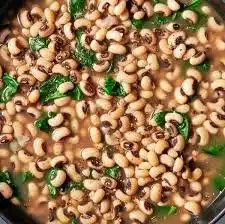
Black-Eyed Peas
Ingredients
Method
- Rinse and soak the black-eyed peas for at least 4 hours or overnight. Drain.
- In a pot, heat olive oil over medium heat. Add chopped onion and garlic, and sauté until softened, releasing their fragrant aroma.
- Add the soaked black-eyed peas, water, bay leaf, salt, and pepper.
- Bring the mixture to a boil, then reduce the heat to a simmer and cook until the peas are tender, about 30-45 minutes.
- Remove the bay leaf, adjust seasoning if necessary, and serve hot.